
Chinese govt decides to subsidize all rural poor
时间:2007-05-24 07:07:07
(单词翻译:单击)
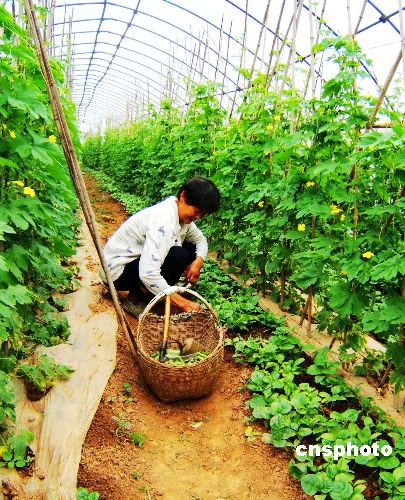
| May 24 - China's State Council, or the cabinet, on Wednesday held an executive meeting on expanding a rural subsistence allowances system that will satisfy the rural poor's minimum requirements for living.
The meeting, chaired by Premier1 Wen Jiabao, decided2 to cover all needy3 people in rural areas across the country under the allowance program, including the aged4, the disabled and those who are unable to work. Premier Wen promised in the government work report at the annual parliament session in March to expand the allowance system to all rural areas this year after experimenting in some places. Twenty-three provinces have already established the system, benefiting 15.93 million people, about 70 percent of the total number of China's rural poor. Local governments are responsible for the operation of the allowance program, and the central budget will allocate5 subsidies6 to areas with financial difficulties, according to the meeting. Establishing this subsistence allowance system is an important measure to narrow the gap between rural and urban areas and safeguard social equity7, said a document released after the meeting. Local governments should strengthen management of the allowance funds, and be transparent8 with the operation, the document said. China has 23.65 million rural poor, with annual per capita income lower than 683 yuan (87.6 US dollars), by the end of 2005, 5.62 million less than in 2001, according to data from the State Council Leading Group of the Office of Poverty Alleviation9 and Development. The meeting also approved in principle the draft of the Regulations on the Implementation10 of the Administrative11 Reconsideration Law. China adopted the Administrative Reconsideration Law in 1999, allowing people to petition to the higher authorities to correct mistakes of the low ones. The document said it is necessary to make detailed12 explanation on the Administrative Reconsideration Law in order to make it more feasible, which is conducive13 to settling administrative disputes and resolving social conflicts. The draft will be further revised before promulgated14 by the State Council.
|
点击 收听单词发音
收听单词发音 |
1
premier
|
|
| adj.首要的;n.总理,首相 | |
参考例句: |
|
|
|
|
2
decided
|
|
| adj.决定了的,坚决的;明显的,明确的 | |
参考例句: |
|
|
|
|
3
needy
|
|
| adj.贫穷的,贫困的,生活艰苦的 | |
参考例句: |
|
|
|
|
4
aged
|
|
| adj.年老的,陈年的 | |
参考例句: |
|
|
|
|
5
allocate
|
|
| vt.分配,分派;把…拨给;把…划归 | |
参考例句: |
|
|
|
|
6
subsidies
|
|
| n.补贴,津贴,补助金( subsidy的名词复数 ) | |
参考例句: |
|
|
|
|
7
equity
|
|
| n.公正,公平,(无固定利息的)股票 | |
参考例句: |
|
|
|
|
8
transparent
|
|
| adj.明显的,无疑的;透明的 | |
参考例句: |
|
|
|
|
9
alleviation
|
|
| n. 减轻,缓和,解痛物 | |
参考例句: |
|
|
|
|
10
implementation
|
|
| n.实施,贯彻 | |
参考例句: |
|
|
|
|
11
administrative
|
|
| adj.行政的,管理的 | |
参考例句: |
|
|
|
|
12
detailed
|
|
| adj.详细的,详尽的,极注意细节的,完全的 | |
参考例句: |
|
|
|
|
13
conducive
|
|
| adj.有益的,有助的 | |
参考例句: |
|
|
|
|
14
promulgated
|
|
| v.宣扬(某事物)( promulgate的过去式和过去分词 );传播;公布;颁布(法令、新法律等) | |
参考例句: |
|
|
|


©2005-2010英文阅读网