
'Taste test' for Neanderthal DNA 古穴居人有味觉DNA
(单词翻译:单击)
DNA1 analysis of ancient remains2 shows that Neanderthals shared with modern humans the gene3 that gives the ability to taste bitter flavours.
古故居人遗物的DNA分析显示他们与现代人一样的基因,可以使他们有品尝苦味的能力。
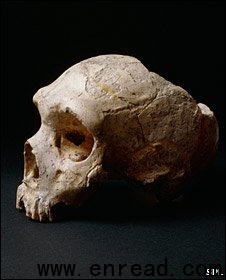 variants5 of the gene must have existed in Neanderthal populations" width="226" border="0" src="http://www.enread.com/upimg/090812/4_033420_1.jpg" />
Both variants of the gene must have existed in Neanderthal populations
Most people find the chemical, known as PTC, very bitter, but 25% cannot taste it at all.
The two groups have different taste receptors(味觉感受器) on their tongues.
Analysis of the 48,000 year-old bone shows that the genetic6 variation responsible for this difference also existed in Neanderthals.
According to the lead author, Dr Carles Lalueza-Fox from the Institut de Biologia Evolutiva in Barcelona, this means that this genetic variation predates(在日期上早于) the divergence7(分歧) of the lineages(家系,血统) leading to Neanderthals and modern humans.
Dr Lalueza-Fox told BBC News: "The non-taster is not something that occurs just in modern populations. It is something that was present at least half a million years ago."
The gene TAS2R38 encodes for a protein in the taste receptors on the tongue which allows us to taste bitterness.
In people who are non-tasters, a recessive8 variant4 of the gene results in a functional9 change to the amino(氨基的) acids so that the protein is different and cannot bind10 to the bitter substance.
Writing in Biology Letters, the researchers describe how they amplified11 and sequenced the TAS2R38 gene from a Neanderthal bone sample found at El Sidron in northern Spain.
The remains of 11 Neanderthal individuals have been excavated12(挖开,凿通) from this site since 2000.
Scientists are confident the sample was not contaminated with any modern human DNA as the remains were excavated under sterile13(不毛的,无菌的) conditions and immediately frozen.
The presence of the gene means that this particular Neanderthal individual could taste bitter flavours.
Recessive gene
But researchers also determined14 that he carried the recessive gene which blocks this ability.
This means that the Neanderthal population must have contained individuals unable to taste bitterness.
The chemical in question is phenylthiocarbamide, or PTC. Forms of it are found in leafy vegetables like sprouts15(秧) and broccoli16(绿菜花) and in some poisonous plants.
The ability to taste the chemical would help individuals avoid eating large quantities of toxic17 plants.
But the researchers say the fact that the recessive(逆行的,劣性的) form of the gene has survived in modern humans must mean that there is some genetic advantage in not being able to taste bitter flavours.
 收听单词发音
 |
1
DNA
|
|
| (缩)deoxyribonucleic acid 脱氧核糖核酸 | |
参考例句: |
|
|
|
|
2
remains
|
|
| n.剩余物,残留物;遗体,遗迹 | |
参考例句: |
|
|
|
|
3
gene
|
|
| n.遗传因子,基因 | |
参考例句: |
|
|
|
|
4
variant
|
|
| adj.不同的,变异的;n.变体,异体 | |
参考例句: |
|
|
|
|
5
variants
|
|
| n.变体( variant的名词复数 );变种;变型;(词等的)变体 | |
参考例句: |
|
|
|
|
6
genetic
|
|
| adj.遗传的,遗传学的 | |
参考例句: |
|
|
|
|
7
divergence
|
|
| n.分歧,岔开 | |
参考例句: |
|
|
|
|
8
recessive
|
|
| adj.退行的,逆行的,后退的,隐性的 | |
参考例句: |
|
|
|
|
9
functional
|
|
| adj.为实用而设计的,具备功能的,起作用的 | |
参考例句: |
|
|
|
|
10
bind
|
|
| vt.捆,包扎;装订;约束;使凝固;vi.变硬 | |
参考例句: |
|
|
|
|
11
amplified
|
|
| 放大,扩大( amplify的过去式和过去分词 ); 增强; 详述 | |
参考例句: |
|
|
|
|
12
excavated
|
|
| v.挖掘( excavate的过去式和过去分词 );开凿;挖出;发掘 | |
参考例句: |
|
|
|
|
13
sterile
|
|
| adj.不毛的,不孕的,无菌的,枯燥的,贫瘠的 | |
参考例句: |
|
|
|
|
14
determined
|
|
| adj.坚定的;有决心的 | |
参考例句: |
|
|
|
|
15
sprouts
|
|
| n.新芽,嫩枝( sprout的名词复数 )v.发芽( sprout的第三人称单数 );抽芽;出现;(使)涌现出 | |
参考例句: |
|
|
|
|
16
broccoli
|
|
| n.绿菜花,花椰菜 | |
参考例句: |
|
|
|
|
17
toxic
|
|
| adj.有毒的,因中毒引起的 | |
参考例句: |
|
|
|
- 上一篇:Facebook in challenge to Google Facebook向Google叫板
- 下一篇:'Alien scene' of tadpoles feast “外星般”的蝌蚪吃食景象


