
英国敦促引领未来粮食问题
(单词翻译:单击)
The UK should plough £2bn ($3.3bn) into crop research to help stave off world hunger, says the Royal Society.
英国皇家学会称,英国应该投资20亿英镑到作物研究以帮助避免世界饥荒。
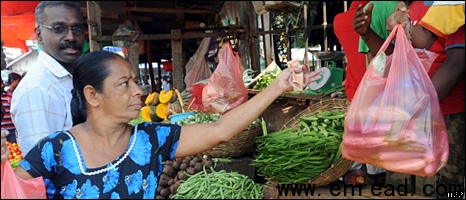
The world's food supply has to rise by about 50% in 40 years, the report says
It says the world's growing population means food production will have to rise by about 50% in 40 years and the UK can lead the research needed.
Approaches it endorses1(支持,赞同) include genetic2 modification3, improved irrigation and systems of growing crops together that reduce the impact of diseases.
It says that rising yields(生产量,投资效益) have brought "complacency(自满)" over food supplies.
Earlier in the year, the G8 pledged to spend $20bn (£12bn) improving food security for the developing world.
The Royal Society's report, Reaping the Benefits: Science and the Sustainable Intensification4 of Global Agriculture, concludes that science has to have a significant role if the food supply is to be maintained in 2050, when the world population may have reached nine billion.
The Green Revolution that created new high-yielding strains of crops such as rice and maize5(玉米) in the 1950s and 60s reduced hunger and improved food security, it says, but a new push is needed quickly.
"We need to take action now to stave off(避开,阻止) food shortages," said Professor Sir David Baulcombe from Cambridge University who chaired the study.
"If we wait even five to 10 years, it may be too late.
"In the UK we have the potential to come up with viable6(能养活的,能生育的) scientific solutions for feeding a growing population, and we have a responsibility to realise this potential."
GM divide
In June, the UN Food and Agriculture Organization said there were now one billion hungry people in the world - "the first time in history" there had been so many.
Although it said rising unemployment and lower incomes were to blame for recent increases in the number of hungry people, investment in science to increase the supply of food was also needed.
The Royal Society says the UK should spend £200m per year for the next 10 years on food-oriented research.
Short-term plans could involve improving irrigation so water is used more efficiently7, and promoting management patterns where plants are grown together for the benefit of crops.
Techniques include growing plants around the edges of agricultural fields that attract predators8(掠夺者,捕食者) of insect pests.
Investment should also go into advanced plant-breeding technologies, including genetic modification.
Although acknowledging the approach can lead to problems such as the unwanted spread of inserted genes9 into neighbouring wild plants, it says the genetic modification can in principle(原则上,大体上) produce crop strains resistant10 to disease, drought, salinity11(盐浓度,盐分), heat and toxic12(有毒的) heavy metals.
Experimental strains resistant to drought and salinity are showing promise, it says - conclusions that were welcomed by the Agricultural Biotechnology Council (ABC), the UK group representing companies in the field.
"Food security is one of the biggest challenges we currently face," said ABC's chairman Julian Little.
"Advanced crop breeding using biotechnology and GM methods... are already being used by more than 13 million farmers around the world and helping13 to deliver higher and more reliable crop yields while mitigating14(镇静,缓和) major threats to crop production, such as damaging effects of pests, diseases and droughts."
But environmental groups were less enthusiastic.
"The bottom line is that governments have made the wrong R&D investments, focusing research on unrealised biotech solutions, rather than on the needs of poorer farmers", said Becky Price, a researcher with GeneWatch UK.
"The use of transgenics is often described as a powerful tool. However to date, the only widely used traits(特征,品质) developed by genetic modification are herbicide tolerance15(除草剂耐性) and Bt insect resistance."
Herbicide tolerant crops are made resistant to a proprietary16 weedkiller, while Bt crops include genes that produce an insect-killing toxin(毒素,毒质).
The Royal Society also said that climate change is likely to increase the scale of the "challenge" ahead, by decreasing crop yields in most parts of the world.
 收听单词发音
 |
1
endorses
|
|
| v.赞同( endorse的第三人称单数 );在(尤指支票的)背面签字;在(文件的)背面写评论;在广告上说本人使用并赞同某产品 | |
参考例句: |
|
|
|
|
2
genetic
|
|
| adj.遗传的,遗传学的 | |
参考例句: |
|
|
|
|
3
modification
|
|
| n.修改,改进,缓和,减轻 | |
参考例句: |
|
|
|
|
4
intensification
|
|
| n.激烈化,增强明暗度;加厚 | |
参考例句: |
|
|
|
|
5
maize
|
|
| n.玉米 | |
参考例句: |
|
|
|
|
6
viable
|
|
| adj.可行的,切实可行的,能活下去的 | |
参考例句: |
|
|
|
|
7
efficiently
|
|
| adv.高效率地,有能力地 | |
参考例句: |
|
|
|
|
8
predators
|
|
| n.食肉动物( predator的名词复数 );奴役他人者(尤指在财务或性关系方面) | |
参考例句: |
|
|
|
|
9
genes
|
|
| n.基因( gene的名词复数 ) | |
参考例句: |
|
|
|
|
10
resistant
|
|
| adj.(to)抵抗的,有抵抗力的 | |
参考例句: |
|
|
|
|
11
salinity
|
|
| n.盐分;咸度;盐浓度;咸性 | |
参考例句: |
|
|
|
|
12
toxic
|
|
| adj.有毒的,因中毒引起的 | |
参考例句: |
|
|
|
|
13
helping
|
|
| n.食物的一份&adj.帮助人的,辅助的 | |
参考例句: |
|
|
|
|
14
mitigating
|
|
| v.减轻,缓和( mitigate的现在分词 ) | |
参考例句: |
|
|
|
|
15
tolerance
|
|
| n.宽容;容忍,忍受;耐药力;公差 | |
参考例句: |
|
|
|
|
16
proprietary
|
|
| n.所有权,所有的;独占的;业主 | |
参考例句: |
|
|
|
- 上一篇:导演Polanski保释请求被驳回
- 下一篇:调查:安全套比避孕药更受欢迎


