
墨西哥逮捕猴子走私者 腰间藏18只伶猴
(单词翻译:单击)
Mexican authorities have arrested a man who was trying to smuggle1 18 small monkeys into the country by carrying them in his clothing.
墨西哥当局逮捕一位男子,该男子将18只小猴藏于衣服中,试图带它们走私入境。
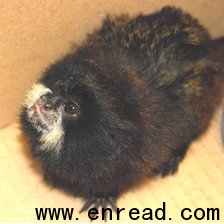 slung2 on a belt" width="224" height="224" src="http://www.enread.com/upimg/100720/4_072744_1.jpg" />
The monkeys were rolled up in socks and slung on a belt
Roberto Sol Cabrera, a Mexican citizen, was stopped at a random3 check(随机抽查) at Mexico City's international airport after arriving from Lima.
In a statement, police said Mr Cabrera Zavaleta had been behaving "nervously4".
Once he was searched, it was discovered that he had hidden 18 titi(伶猴) monkeys in a girdle(腰带,围绕物) around his waist.
After his arrest, Mr Sol Cabrera confessed that the animals had travelled in his luggage, and that he had put them under his clothing "to protect them from X-rays" as he was going through customs.
The animals had been put into socks, police explained, and two of them were dead at the time of confiscation5(没收,充公) .
Many species of titi monkeys, a species from South America, are in an endangered animal list by the Convention on International Trade in Endangered Species of Wild Fauna6 and Flora7 (Cites).
The Mexican government recently restricted imports of primates8(灵长类) and since Mr Sol Cabrera did not have any permits, he will remain in custody9 while more investigations10 take place.
'Tradition'
In a video published by the Mexican Public Security agency, Mr Sol Cabrera says he had paid $30 (£19.70) for each specimen11 in Peru.
According to estimates, monkeys like the ones confiscated12 in the airport could have been sold for between $775 (£509) and $1,550 (£1,018) in Mexico.
Adrian Reuter, local representative for Traffic - an international organization that monitors wildlife trade - told the BBC that animal trafficking is a serious problem in Mexico.
"The reasons are two: one, because Mexico is an important route for those who want to smuggle animals into the US, and the other, because, as in other countries of Latin America, there is a deep-rooted tradition of having wild animals as pets," he said.
The Sonora market, in the Mexican capital, is known to sell parrots, monkeys or reptiles13(爬行动物) for private owners.
Mr Reuter recognizes that in the last few years, the Mexican government has improved efforts on fighting animal-trafficking criminal networks, rather than focusing on the citizens who want to have "a parrot for company", he says.
 收听单词发音
 |
1
smuggle
|
|
| vt.私运;vi.走私 | |
参考例句: |
|
|
|
|
2
slung
|
|
| 抛( sling的过去式和过去分词 ); 吊挂; 遣送; 押往 | |
参考例句: |
|
|
|
|
3
random
|
|
| adj.随机的;任意的;n.偶然的(或随便的)行动 | |
参考例句: |
|
|
|
|
4
nervously
|
|
| adv.神情激动地,不安地 | |
参考例句: |
|
|
|
|
5
confiscation
|
|
| n. 没收, 充公, 征收 | |
参考例句: |
|
|
|
|
6
fauna
|
|
| n.(一个地区或时代的)所有动物,动物区系 | |
参考例句: |
|
|
|
|
7
flora
|
|
| n.(某一地区的)植物群 | |
参考例句: |
|
|
|
|
8
primates
|
|
| primate的复数 | |
参考例句: |
|
|
|
|
9
custody
|
|
| n.监护,照看,羁押,拘留 | |
参考例句: |
|
|
|
|
10
investigations
|
|
| (正式的)调查( investigation的名词复数 ); 侦查; 科学研究; 学术研究 | |
参考例句: |
|
|
|
|
11
specimen
|
|
| n.样本,标本 | |
参考例句: |
|
|
|
|
12
confiscated
|
|
| 没收,充公( confiscate的过去式和过去分词 ) | |
参考例句: |
|
|
|
|
13
reptiles
|
|
| n.爬行动物,爬虫( reptile的名词复数 ) | |
参考例句: |
|
|
|
- 上一篇:查尔斯王子将参加弗隆美尔战役阵亡士兵重葬仪式
- 下一篇:大亨康拉德·布莱克被保释出狱


